Abyssinian Guinea Pig: my experience owning one

Abyssinian Guinea Pig: my experience owning one
I have owned one of these for years now, called Jimmy, and when I was looking to buy one of these Guinea pigs I could not find anything online about the actual ownership.
Part of my time when I was at university was working with animals, in many animal shelters and I have experience of what it takes to look after these. The most important thing for me was personality. Jimmy has a cheeky, but soft temperment, I just love him. If you want to buy a Guinea pig and are looking for one for sale, then I am going to help you decide if this one is for you.
The key thing is this is an old breed. The difference with this guinea pig is the fact they have the fur all sticking out in all directions. A bit like in in neat little tufts, you know an Abyssinian. My love of guinea pigs started when I got one when I was smaller and we ended up with babies, I know kind of wild.
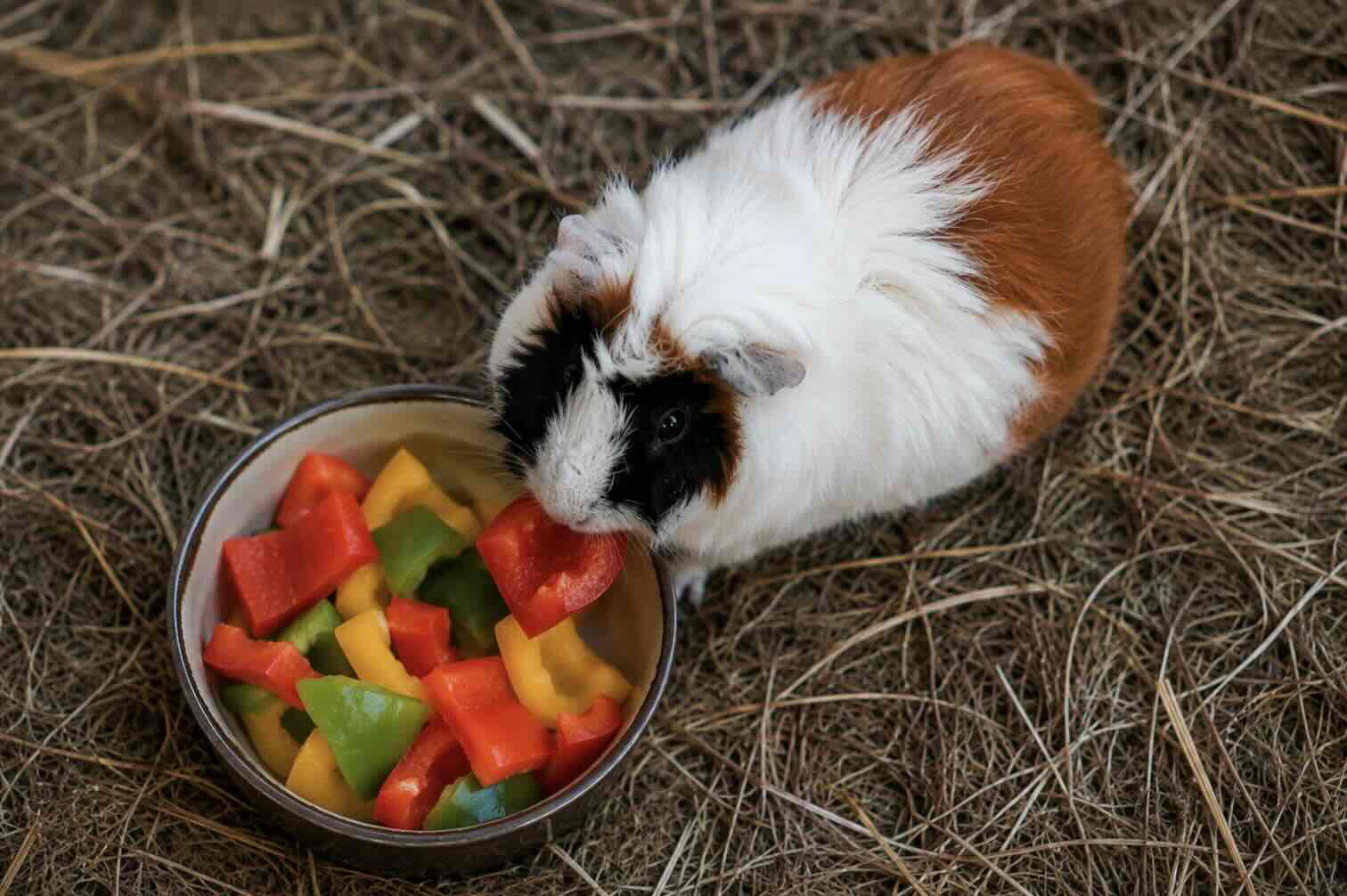
Some cool facts I want to share with you..
- Scientific name: Cavia porcellus
- Origin: South America / Andes region (probably of Incan origins) although I think the name suggests it has no connection with Abyssinia / modern Ethiopia.
- Size: 8-12 inches long, 2-3 pounds.
- Lifespan: It takes 5-8 years on average; The oldest recorded lived to 15 years old.
- Coat: When you look at the coat you will see 8-10 hair "rosettes" normally symmetrical, giving that "bedhead" look.
- Show standard: My breeder said they would need at least 8 rosettes in particular spots, 4 on the back, 2 on each hip and 1 on each shoulder to go into show competitions.
- One of the oldest breeds: They are an old breed, since the 16th century in European collections and from the victorian days.
- Personality: Jimmy, mine is one of the friendliest, boldest and loudest guinea pig breeds - sometimes called "cheeky"; Some sources say boars are a bit more finicky/mockiest of the bunch.
- Diet: Herbivore; Needs daily dietary vitamin C or without this it can cause scurvy.
- Health watch-outs: Apart from the usual guinea pig risks, Abyssinians are somewhat more susceptible to eye problems (cataracts, microphthalmos) as well as diabetes than other breeds my breeder told me.
- Grooming: the rough texture resists matting (Despite the wild look) I brused Jimmy only a weekly.
- Nicknames: When I went to the pet shop they said they are known as: "Abby"/"Abbies"; The pig of the roses - sometimes called the "Rosette" pig.
- Cost: I have not found one over $50 expect to pay around $20 in my experience
My experience with this lovely Guinea pig
This lovely guinea pig is one of the oldest breeds, and when you see one in person, you sort of forget about that crazy look like "I just woke up this way" look.
The answer, after years owning these guinea pigs, is the fur. Most guinea-pig breeds have a short or smooth coat and they are not as fluffy, but the Abyssinians grow out of the body in many whirls called rosettes. Each rosette is sort of a little center point from which the hair projects outward in different directions; an Abyssinian will have about 8 to 10 of these scattered about the body in symmetrical pairs. The result is that rough, spiky, bad hair day texture that the breed is known for.
The Abyssinians are small, most adults are between 8 and 12 inches long and 2 to 3 pounds - think of something about the size of an adult shoe. They're the guinea pig type: long with a broad head, short with drooping petal ears. Color-wise there's a lot of different ones. You'll find solids and brindles and tortoises and roans as well as lots of two-tone combinations in black, brown, red and white and cream. Spiritually, they bring so much goodness and joy to looking after them. I do feel they allow you to connect to your inner self by stroking them, I love to pet Jimmy because he always seems to be restful after.
What is their personality like?
My little guy was always happy, and would bury himself sometimes when it used to rain. This is one of the biggest key things about the Abyssinian if you pick this guinea pig breed on personality it is a key advantage. They are sort of bolder, busier and more cute than most smooth-coated breeds. They're curious and I have found mine way down the bottom of the garden, when I used to clean him out there was just so much pure excitement and he would run around for ages. If you don’t know this (as I researched a lot before buying him) most guinea pigs live in herds. Isolation makes them anxious and reactive so you really want at least two with you rather than one pig alone.
What do I feed my Abyssinian guinea pig?
Like any guinea pig they love most veg, I have found specifically Abyssinians tend to really like carrots, but chopped up in slices I also think this gives them a lot of vitamin C. Unlike most mammals, you can also buy the fortified pellets or supplements, this is important to stop them from developing scurvy.
This is what I fed mine:
- Tons of grass or hay (important to wear down their constantly growing teeth).
- Fresh leafy greens cut up really small.
- Guinea pig pellets as I said before to prevent bad health.
- Fruit in moderation: a vitamin C boost.
Things you need to know?
I would say, the most important thing you need to know is that the rosettes form these sort of ridges and tufts instead of lying flat, so hay and bedding can get caught more easily. That is why I used to brush him with a small soft brush I found on Amazon. This was to make him look neat. The vet told me they also catch skin irritation, and are prone to chunks sticking together and matting I think this is due to their thick hair. Also watch out for mites.
Health Watch-Outs
The general health risks of Abyssinians are the same as for other guinea pigs, but there are a few things to watch out for:
- Scurvy caused by too little vitamin C so make sure you don’t do this.
- Dental so make sure you check the teeth for overgrowth, this because the teeth never stop growing and must always be chewed.
- Bumblefoot and pododermatitis caused by inappropriate cage flooring.
- Respiratory issues like pneumonia.
- Problems with the urology include bladder stones.
- They live between 5 and 8 years on average, and the oldest known Abyssinian lived for 15 years, I have had mine for 9 years.
How much should they be?
In most cases, these are cool pets. They tend to be sort of an "easy" pet to care for, in my pet store they are usually USD 20 to USD 80 for the animal itself but a lifetime cost of USD 1,500 to USD 5,000 (housing, food, vet care, supplies).
The guinea pigs are also popular in the US and an estimated 1.5 million U.S. households have one, and Abyssinians have that striking look and outgoing personality that make them popular.
Some cool things I will leave you with:
- Guinea pigs are actually rodents - despite their name.
- There are four toes on each foot in front and three on the back of the Abyssinians' feet.
- They are among the earliest known guinea pig breeds and were first kept as pets around 1600.
- In some parts of South America guinea pigs are still kept as food and not as companions.
- They can grow about 2 inches of fur with that rosette pattern.
If you want a guinea pig with a little more attitude and is happy go lucky, than the Abyssinian's your man. Yes, they do want a little extra grooming time and as with all guinea pigs, some serious vitamin C monitoring - but you get a bold, social, entertaining little companion that's been a hit with pet owners for centuries.
By Florance Saul
Created: Aug 6, 2025 | Modified: Aug 13, 2026
Auntyflo Tarot Wheel

Wondering what the future holds? Spin my tarot wheel to find out.
What does your palm mean?

Celebrating over 15 years online. The most acclaimed illustrated palm reading guide.